Gardener Lee — Recycling and Sustainability for Greener Gardens
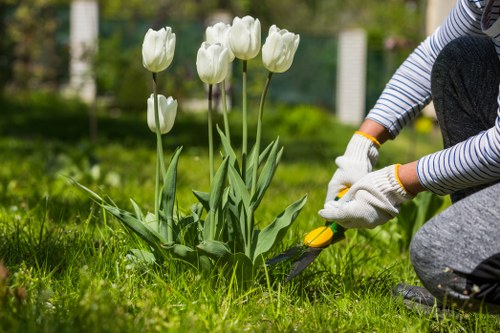 Gardener Lee is committed to creating an eco-friendly waste disposal area and a sustainable rubbish gardening area that supports neighbourhood biodiversity, reduces landfill, and keeps garden waste cycling back into productive soil. Our approach prioritises practical, local solutions that align with boroughs' waste separation schemes, combining community reuse with professional collection and low-carbon logistics.
We design each project to reduce the carbon footprint of garden clearance and maintenance. By separating materials at source — such as keeping green waste for composting, cardboard and paper for recycling, and wood or inert materials for reuse or energy recovery — we create a clear pathway from garden waste to valuable resources. Reducing, reusing and recycling in garden settings is central to our sustainable waste management ethos.
Targets and measurable goals
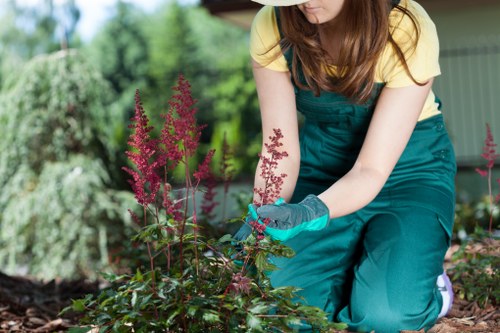
Our current KPI is a bold recycling percentage target: we aim to achieve a 70% recycling and diversion rate of all garden waste and cleared materials by 2030, with an interim target of 60% by the end of the next two years. These figures reflect our commitment to being a leader in local green disposal area performance and match many boroughs' ambitions for higher recycling rates.Our targets are supported by operational policies that encourage proper separation at collection points. Many boroughs have adopted two- or three-stream systems — for example: paper & card, mixed dry recycling (glass, metal, plastic), and organic waste (food and garden). We tailor our on-site sorting to fit those systems so that materials arriving at transfer hubs are ready for processing rather than being mixed and downgraded.
Local transfer stations and circular routing
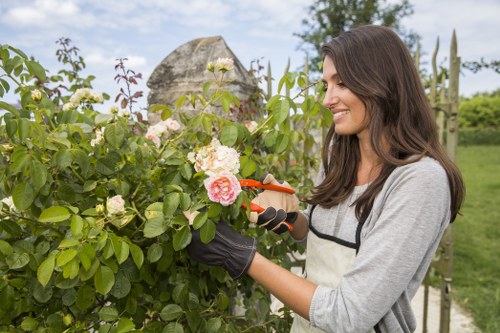
We work closely with nearby transfer stations and material recovery facilities to ensure that garden-origin materials enter the right recovery chain quickly. Our regular routes include designated local transfer stations and community reuse hubs that accept green waste, clean wood, soil, and inert materials. Using these facilities reduces haulage time and emissions and speeds up the return of compost and mulch into local parks and allotments.To maximise reuse, we operate a network approach: smaller loads are consolidated at transfer depots, then sorted for recycling, composting, or reuse. This reduces double-handling and keeps transportation within the local area where possible, supporting the concept of a neighbourhood green disposal area that benefits residents and local ecosystems.
Partnerships with charities and community projects are central to how Gardener Lee turns waste into value. We collaborate with local reuse organisations, community allotments, and social enterprises that accept usable bricks, paving, timber, pots and tools. These partnerships ensure that items still fit for purpose are diverted from the waste stream and given a second life in community gardens.
![A woman and a young girl are gardening together in a well-maintained outdoor space, with vibrant green plants, flower beds, and lush grass visible in the background. The woman, wearing an apron with a floral pattern, is kneeling on the wooden decking, carefully handling dark soil in a rectangular flower bed. The girl, dressed in a light pink top and striped leggings, is sitting on the paved area nearby, observing or assisting with the planting process. Surrounding them are various garden elements including flower pots, potted plants, and a metal watering can, indicating active gardening work. The garden features a mix of lush greenery, flowering plants, and neatly edged borders, suggesting ongoing maintenance to encourage healthy plant growth. Natural daylight illuminates the scene, highlighting the natural tones of soil, foliage, and wooden surfaces, creating an inviting outdoor environment typical of landscaped gardens in the area served by Gardener Lee, based near [POSTCODE] in the UK, with an emphasis on sustainable gardening practices.](/pub/_photos/gardening/f1369948160.jpg) Our charity collaborations also extend to compost sharing and soil improvement projects. Garden-suitable compost and mulches are donated or offered at subsidised rates to community gardens, school planting projects and food-growing initiatives, reinforcing a circular model: garden clearance supplies soil improvement, which then supports new plantings and local food production.
Our charity collaborations also extend to compost sharing and soil improvement projects. Garden-suitable compost and mulches are donated or offered at subsidised rates to community gardens, school planting projects and food-growing initiatives, reinforcing a circular model: garden clearance supplies soil improvement, which then supports new plantings and local food production.
![A woman wearing a wide-brimmed hat, a red apron, and red rubber boots is kneeling in a garden bed, tending to a variety of young green vegetables or herbs. The garden features neatly arranged rows of soil with healthy, leafy plants growing in the foreground. In the background, there are taller flowering plants and shrubs, along with a garden fence and some trees providing shade. To the right, a pink watering can is placed on the ground, and a hose is partially visible on the soil surface. The scene is illuminated by natural sunlight, indicating a bright, clear day, with a garden environment that suggests sustainable outdoor gardening and lawn care practices typical of a residential area close to [POSTCODE] in [TOWN], operated by Gardener Lee, with a focus on eco-friendly gardening methods.](/pub/_photos/gardening/f1381957632.jpg) Low-carbon vans and fleet decarbonisation are another cornerstone of our sustainability plan. Gardener Lee is shifting to an electric and hybrid van fleet for local collections, supplemented by route optimisation software to reduce miles driven. Low-emission vehicles, combined with consolidated pickups and scheduled transfer station drop-offs, cut CO2 and NOx emissions while maintaining reliable service for clients.
Low-carbon vans and fleet decarbonisation are another cornerstone of our sustainability plan. Gardener Lee is shifting to an electric and hybrid van fleet for local collections, supplemented by route optimisation software to reduce miles driven. Low-emission vehicles, combined with consolidated pickups and scheduled transfer station drop-offs, cut CO2 and NOx emissions while maintaining reliable service for clients.
We emphasise best-practice separation for common garden materials:
- Green waste for aerobic composting or in-vessel processing;
- Clean timber for chipping, reuse or biomass where appropriate;
- Soil and stones segregated for screening and reuse on site or at specialised inert recycling centres.
Education and transparent reporting back to clients and community partners help sustain behaviour change. Each clearance includes a brief waste summary showing volumes diverted to compost, reuse, recycling and energy recovery, so clients can see the impact of choosing an eco waste gardening service. We avoid listing full guides but provide clear operational notes to help residents match their household separation habits with our collection processes.
Ultimately, Gardener Lee’s vision for a resilient, sustainable rubbish gardening area is practical and measurable: stronger recycling targets, smarter use of local transfer stations, meaningful charity partnerships, and a low-carbon fleet all combine to create a greener, circular approach to garden waste and clearance. By working with borough systems and local partners, we help communities transform waste into resources — enhancing soils, supporting social projects, and reducing emissions across the whole lifecycle of garden materials.