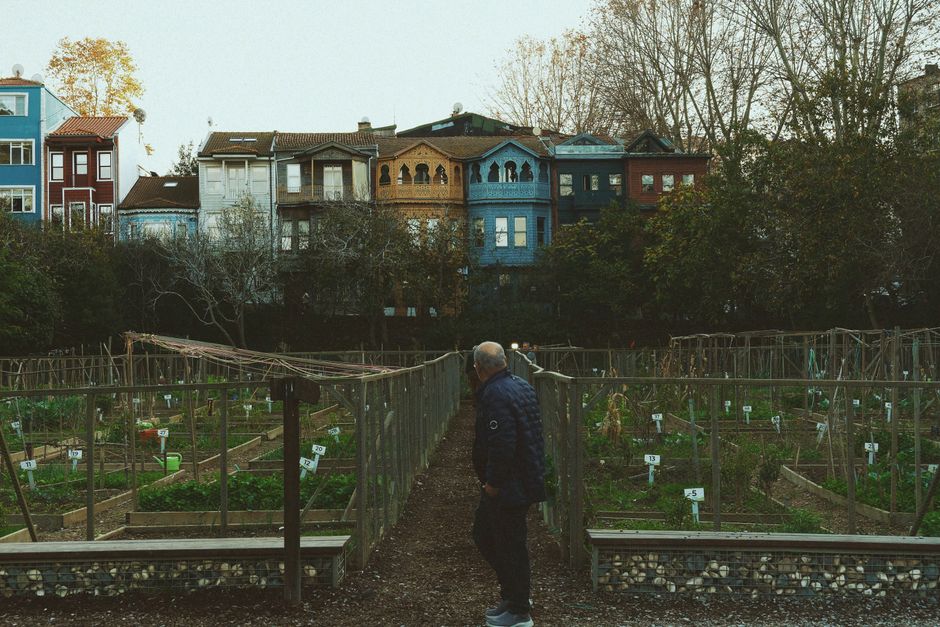
Avoid common mistakes Lee gardeners make on small urban plots
Small urban gardens can be brilliant. They can also be a bit unforgiving. One overgrown shrub, one badly placed planter, one patch of compacted soil, and suddenly the whole space feels cramped, gloomy, and harder to care for than it should. If you are trying to Avoid common mistakes Lee gardeners make on small urban plots, the goal is not perfection. It is sensible planning, honest maintenance, and making every square metre work harder without turning the garden into a cluttered afterthought.
That matters even more in a place like Lee, where many gardens are compact, overlooked, shared with neighbouring walls or fences, and expected to do a lot: sit-out space, storage, planting, drainage, privacy, maybe even a tiny lawn if you are brave. This guide walks through the mistakes that commonly trip people up, why they happen, and how to fix them before they cost time, money, and a fair bit of enthusiasm.
Contents
- Why Avoid common mistakes Lee gardeners make on small urban plots Matters
- How Avoid common mistakes Lee gardeners make on small urban plots Works
- Key Benefits and Practical Advantages
- Who This Is For and When It Makes Sense
- Step-by-Step Guidance
- Expert Tips for Better Results
- Common Mistakes to Avoid
- Tools, Resources and Recommendations
- Law, Compliance, Standards, or Best Practice
- Options, Methods, or Comparison Table
- Case Study or Real-World Example
- Practical Checklist
- Conclusion
- Frequently Asked Questions
Why Avoid common mistakes Lee gardeners make on small urban plots Matters
Small urban plots look simple at first glance. Then you start using them. The truth is that limited space magnifies every decision. A border that is too deep steals circulation room. A hedge left unchecked blocks light. A lawn that should have been smaller becomes a maintenance burden. Even the choice of paving or decking can affect drainage, safety, and how comfortable the space feels underfoot after rain.
On a small plot, there is very little room for wasted effort. A design mistake that might be mild in a larger garden can dominate the whole area in a terrace or courtyard. And once a garden starts feeling awkward, people tend to neglect it. That is usually how problems snowball: not from one dramatic failure, but from a dozen little choices that were never quite right.
There is also the practical side. Urban gardens often need to support everyday life, not just look neat in spring. Children, pets, bikes, bins, washing lines, recycling storage, and a few hardy plants all end up competing for the same footprint. So yes, it is worth getting the basics right the first time. It saves money, and it saves you from that sinking feeling when you realise the "simple" garden now needs reworking.
Expert summary: In small urban gardens, the biggest wins usually come from restraint, clear structure, and realistic maintenance planning. The worst mistakes are nearly always the ones that reduce usable space or create jobs you do not have time to keep up with.
How Avoid common mistakes Lee gardeners make on small urban plots Works
The approach is straightforward, though not always easy: assess the space honestly, decide what the garden must do, and then design and maintain it so each element earns its place. Think of it as editing, not filling. Small plots tend to look better when they are selective.
In practice, that means:
- measuring the space before buying plants, materials, or furniture
- understanding light, shade, drainage, and wind exposure
- choosing plants that suit the conditions rather than hoping they will cope
- keeping paths, doors, and seating areas clear
- using vertical space carefully, not greedily
- building maintenance into the plan from day one
You will also notice that small spaces benefit from repetition and structure. A few well-chosen plant varieties, repeated in groups, often look calmer than a random mix of one-of-everything. Same with materials. Two complementary finishes usually beat five competing ones. It sounds almost too simple, but it works.
If the plot needs more than a tidy-up, it can help to think about broader layout and hard landscaping decisions too. In some gardens, a fresh structure from landscape gardening support or a carefully planned landscaping project is what turns a squeezed patch into something genuinely usable. And if the garden has become cluttered over time, a thorough garden clearance can be the reset that makes better decisions possible.
Key Benefits and Practical Advantages
Getting small-plot gardening right brings more than a prettier view from the kitchen window. The day-to-day benefits are where it really counts.
- More usable space: Less crowding means easier movement and more room for actual living.
- Lower maintenance: The right layout and planting choices cut back on endless trimming, deadheading, and sweeping.
- Better light and airflow: Especially valuable in enclosed urban gardens where dampness can linger.
- Cleaner appearance: Simple structure often looks tidier than a busy, overplanted scheme.
- Improved plant health: Plants suited to the site tend to recover faster and need less babying.
- Better value from each purchase: Fewer unnecessary purchases, fewer replacements, fewer regrets. Lovely, that.
There is also a quieter benefit: the garden becomes easier to enjoy. That matters. If a space feels awkward to maintain, you stop stepping into it with pleasure and start stepping into it with a chore list in your head. Nobody wants that.
Who This Is For and When It Makes Sense
This guidance is especially useful if you:
- have a small front or back garden in an urban area
- own a narrow terrace garden, courtyard, or split-level plot
- want more from your garden without enlarging it
- keep making the same planting or layout mistakes
- have a garden that looks fine in one season and messy in the next
- are considering professional help for routine upkeep or a redesign
It also makes sense if you are at a decision point. Maybe you are wondering whether to keep patching an old design or start again. Maybe you are tired of pruning a hedge that was never the right size for the space. Or maybe you just want the garden to feel calm instead of fussy. That is a sensible goal, by the way. Not extravagant. Sensible.
For ongoing care, a regular garden maintenance plan can help prevent small problems becoming seasonal headaches. If lawns are part of the plot, a reliable lawn mowing service or a simple low-maintenance groundcover strategy can make a real difference. And where hedges start eating into the usable footprint, hedge trimming may be the most practical fix of all.
Step-by-Step Guidance
1. Start with what the space actually needs
Before you think about plants or paving, ask what the garden must do. Is it a sitting area? A kid-friendly space? A storage zone? A pollinator-friendly planting pocket? In a small plot, you rarely get to prioritise everything equally. That is not a failure; it is the reality of the space.
Write down the top three uses. Be strict. If you try to support too many functions, the garden becomes a compromise nobody enjoys.
2. Measure properly and map the awkward bits
Small gardens often have odd corners, manhole covers, utility access, or narrow side returns. Measure these properly. Note the places that stay wet, the areas that scorch, and the bits people naturally walk through. A garden plan that ignores those details usually looks lovely on paper and irritating in real life.
3. Keep the layout simple
Strong lines help small spaces. Straight paths, clear edges, and one or two defined zones are usually better than a tangled mix of curves and feature beds. To be fair, curves can work, but only when they are deliberate. Random curves are just expensive indecision.
4. Choose plants for scale and maintenance
Pick plants that fit the mature size of the plot. It sounds obvious, but people still buy for the label picture rather than the final dimensions. In small gardens, this leads to overcrowding very quickly. Use compact shrubs, restrained climbers, and planting that does not require constant correction.
5. Leave room for access and breathing space
A tiny garden still needs gaps. You need space to open a bin lid, water a border, sweep leaves, or move a chair without scraping your ankle on a pot. Yes, this is a boring detail. It is also the difference between a garden that works and one that annoys you every week.
6. Build in maintenance from the beginning
If a feature will need monthly pruning, regular cleaning, or seasonal replacement, make sure you are actually ready for that. If not, adjust the plan. Many small gardens become cluttered because maintenance was assumed, not designed. That is where support from the full services overview can be useful when you are exploring what kind of ongoing help may suit the space.
7. Review the garden after one season
Let the garden teach you something. Which areas feel too shaded? Which plants sulk? Where does the water sit after rain? After a few months, the honest version of the garden appears. Make changes based on that, not on wishful thinking.
Expert Tips for Better Results
Here is where experienced gardeners usually save time, money, and a bit of frustration.
- Use repetition. Repeating a few plant shapes or materials makes small spaces feel calmer and more intentional.
- Think vertically, but not blindly. Climbing plants, trellis, and wall planting can be brilliant, but only if they do not block light or create awkward maintenance access.
- Control edges. Crisp borders and clean lines make compact gardens look cared for, even when the planting is simple.
- Choose fewer, better materials. One good paving type is often enough. Too many finishes make the space feel chopped up.
- Plan for winter as well as summer. A small plot that looks lovely in June can feel bleak or muddy in January if structure is missing.
- Use containers thoughtfully. They are useful, but too many can clutter the garden and steal walking space.
A small, slightly human truth here: people often want "just one more pot" until the patio starts looking like a warehouse with plants. We have all seen it. Less can be far more effective.
If you are unsure where the structure should come from, think about one anchor feature. That might be a compact seating area, a low retaining edge, or a simple line of evergreen planting. From there, you can build the rest of the garden around it instead of layering things on top and hoping for the best.
Common Mistakes to Avoid
This is the section that usually saves the most headaches. These are the mistakes that crop up again and again in small urban plots.
Overplanting from the start
New gardeners often cram in too many plants because the beds look empty at first. Then, six months later, the garden is overcrowded. Plants need room to reach their real size. Empty space is not always wasted space.
Ignoring the mature size of shrubs and trees
A plant that looks modest in a nursery pot may become far too large for a small garden. That can block light, crowd borders, and create ongoing cutting back. In tight spaces, the mature size matters more than the immediate visual impact.
Choosing the wrong lawn size
A tiny lawn can be charming, but in some plots it is just a maintenance strip with very little practical value. If the grass area is too small, awkwardly shaped, or constantly shaded, it may be better to reduce it or replace it with a more workable surface.
Using too many materials
Mixing brick, gravel, decking, concrete, stone, and coloured edging all in one small space can feel chaotic. A restrained palette usually looks more expensive and more spacious. That is one of those quiet design rules that nobody regrets following.
Forgetting drainage and wet corners
Urban plots can suffer from poor drainage, compacted soil, or runoff from neighbouring surfaces. If you ignore that, you may end up with soggy patches, slippery paths, or plants that never settle. It is a boring problem until it becomes an expensive one.
Blocking access to maintenance points
Bins, taps, inspection covers, fences, sheds, and gates all need practical access. It sounds painfully obvious, yet people still pave over or plant around these areas in ways that make future work awkward.
Neglecting hedge and tree control
Small gardens lose light quickly. A hedge that was once a tidy boundary can become a wall. Likewise, overlarge trees can dominate the space, drop too much shade, or create root competition. When pruning is no longer enough, it may be time to think about specialist help such as tree lopping and removal where appropriate and lawful.
Designing for looks only
Let's face it, a beautiful garden that is miserable to maintain is not much of a win. The best small gardens balance appearance with easy upkeep. If a feature adds hassle but little value, question it.
Tools, Resources and Recommendations
You do not need a van full of kit to manage a small urban plot well. A few sensible tools and habits go a long way.
- Measuring tape or wheel: for layout planning and spacing
- Secateurs and loppers: for regular trimming and deadheading
- Stiff broom and hand rake: for compact patios, paths, and gravel
- Spade and hand fork: useful for bed renovation and planting
- Quality watering can or hose setup: because small plots dry unevenly
- Notebook or simple phone notes: to track what works, what fails, and what needs cutting back
For some gardens, the most valuable "tool" is a clean start. That is where garden clearance becomes practical rather than dramatic. It gives you room to see the bones of the space again. From there, you can decide what to keep, what to rework, and what to remove without sentiment getting in the way.
If you are thinking more broadly about improving the space, it can also help to review pricing and quotes early so you understand how different types of work may be approached. And if sustainability matters to you, the company's approach to recycling and sustainability is worth considering when dealing with green waste and material reuse.
Law, Compliance, Standards, or Best Practice
For a small urban garden, compliance is usually about staying sensible rather than getting buried in rules. But a few areas deserve care.
Hedges, trees, and boundaries: If plants are near boundaries, shared access, or neighbouring properties, pruning and removal should be done with caution. Large trees can involve safety and permission considerations, especially where structural risk or protected status may be involved. If there is uncertainty, it is wise to seek proper guidance before acting.
Drainage and surfaces: Slippery paving, poor runoff, and unstable steps are not just annoying; they can be a safety issue. Good practice means choosing stable, well-laid surfaces and keeping them clear of moss, leaf build-up, and trip hazards.
Waste handling: Garden waste should be managed responsibly. Many homeowners choose professional removal when the volume is awkward or the material is mixed. If you are booking help, it is worth understanding any service expectations in the terms and conditions and checking relevant safety information in the health and safety policy and insurance and safety guidance.
Privacy and neighbours: In urban areas, height, shade, and boundary planting can affect nearby homes more than you expect. A slightly smaller hedge or a better-placed screen can preserve privacy without becoming a nuisance.
Accessibility and fairness: If you are using a professional service, check company information pages such as about the team, contact details, and any relevant service information so you know who is responsible for what. It sounds dry, but it avoids confusion later on.
Options, Methods, or Comparison Table
If you are deciding how to improve a small plot, the main question is usually whether to simplify, renovate, or redesign. Each has its place.
| Approach | Best for | Pros | Watch out for |
|---|---|---|---|
| Light tidy-up and maintenance | Gardens that already function well but look untidy | Quick, affordable, low disruption | Won't fix deeper layout problems |
| Targeted reworking | Plots with a few obvious weak spots | Good balance of cost and impact | Needs clear priorities or it can become patchy |
| Full redesign | Gardens that feel cramped, badly zoned, or outdated | Can transform usability and appearance | More planning, more budget, more decision-making |
In many small urban plots, targeted reworking gives the best return. You do not always need to start from scratch. Sometimes the fix is as simple as narrowing a border, lifting a hedge, replacing a thirsty lawn, or changing the route people walk through the space.
If the garden already has good bones, maintenance may be enough. If not, a more structural approach can be worth the effort. And if you are not sure which camp you are in, that is normal. Small gardens often sit right on the edge between "nearly there" and "needs a proper rethink."
Case Study or Real-World Example
Imagine a narrow rear garden in Lee with a small lawn, a deep border on one side, and a hedge that has slowly thickened over several seasons. At first, the space looks green and pleasant. Over time, though, the lawn struggles in shade, the border keeps swallowing the path edge, and the hedge starts making the garden feel narrower every month.
The fix is not complicated, but it does require honesty. The lawn is reduced because it is too small to be useful. The border is tightened so the path has room. The hedge is trimmed back to restore light. A few better-suited plants are added for structure, and one open area is kept clear for seating. Nothing flashy. Just better judgment.
The result is a garden that feels calmer and easier to live with. And that is usually the point. Not a show garden. A usable one.
That sort of shift is why homeowners often value steady upkeep as much as redesign. A reliable routine supported by regular lawn care, hedge trimming, and general attention through garden maintenance can stop the same problems from creeping back in.
Practical Checklist
Use this checklist before planting, pruning, or redesigning a small urban plot.
- Have I measured the usable space accurately?
- Do I know how much light the garden gets in different seasons?
- Have I allowed space for doors, bins, tools, and walking routes?
- Are my plants suitable for the eventual size of the garden?
- Have I kept the materials palette simple enough to avoid visual clutter?
- Is drainage working properly in wet weather?
- Will this feature still be easy to maintain after the first flush of enthusiasm?
- Have I left clear access to taps, gates, and utility points?
- Do any hedges or trees need professional attention?
- Is there a plan for clearing waste and keeping the plot tidy over time?
If you can answer "yes" to most of those, you are already ahead of the game. If not, that is fine too. Better to catch it now than after the plants have settled and the space has become awkward. Honestly, that saves a lot of faff.
Get a free quote today and see how much you can save.
Conclusion
Small urban gardens do not need more stuff. They need better choices. That is the heart of it. When you avoid the usual mistakes Lee gardeners make on small urban plots, the space becomes lighter, easier to manage, and much more enjoyable to use.
Focus on scale. Respect the light. Keep access clear. Choose plants and materials that suit the real conditions, not the idealised version in your head. And if the garden has become too tangled to sort quickly, do not be embarrassed. It happens. A tidy reset, a sensible plan, and regular care can transform even a modest plot into somewhere you actually want to spend time.
Small gardens have a funny way of rewarding patience. Get the basics right, and they start giving back in quiet, everyday ways: a bit more morning sun, a cleaner line of sight, a seat you use more often, a patch of green that finally feels like yours.
Frequently Asked Questions
What are the most common mistakes in small urban gardens?
The biggest ones are overplanting, ignoring mature plant size, using too many materials, and creating layouts that are hard to maintain. In a small plot, each mistake has a bigger visual and practical impact.
How do I make a small garden look bigger?
Use a simple layout, repeat a few materials or plant types, keep sightlines open, and avoid clutter. Clear edges and restrained planting usually make the biggest difference.
Is a lawn worth having in a tiny garden?
Sometimes, but not always. If the lawn is too small, too shaded, or oddly shaped, it may create more work than value. Groundcover, paving, or planting can be more practical.
How often should small urban plots be maintained?
That depends on the planting, but small gardens usually benefit from little-and-often care. A short weekly tidy-up and seasonal pruning is often better than occasional heavy work.
What plants work best in compact city gardens?
Plants with controlled growth, good tolerance of urban conditions, and manageable roots tend to work best. The exact choice depends on shade, wind, and drainage, so the site matters more than fashion.
Should I use containers or borders in a small plot?
Both can work. Containers are flexible, but too many can clutter the space. Borders give a more settled feel, though they need proper planning. Often, a mix works best.
What should I do if my hedge is making the garden feel smaller?
Trim it back carefully and reassess its height and width. If the hedge has outgrown its role, a more significant reduction may be needed, and professional help can be useful if access or size becomes an issue.
How can I tell if the garden needs redesign rather than tidying?
If the space feels cramped, awkward to move through, or impossible to maintain without constant compromise, a redesign may be the better option. Tidying only goes so far when the underlying layout is the problem.
What is the easiest way to avoid buying the wrong plants?
Check the mature size, light requirements, and maintenance needs before you buy. If a plant needs more room or more care than the plot can realistically give, it is probably the wrong fit.
Do I need professional help for a small urban garden?
Not always, but it can help if the space needs clearance, ongoing maintenance, hedge work, or a better layout. Professional support is especially useful when the garden is tight, overgrown, or difficult to access.
How do I keep a small garden from becoming cluttered again?
Set a limit on decorative items, prune regularly, and replace weak features instead of adding more things around them. A clear maintenance routine is the simplest defence against clutter.
What is the best next step if my small garden is already messy?
Start with a clear-out, then decide what should stay, what should be reduced, and what should be replaced. From there, you can build a simpler plan that fits the space properly and feels realistic to maintain.